The Sky Palace of King Kassapa: A Complete Guide to Sigiriya Rock Fortress
The Sky Palace of King Kassapa: A Complete Guide to Sigiriya Rock Fortress
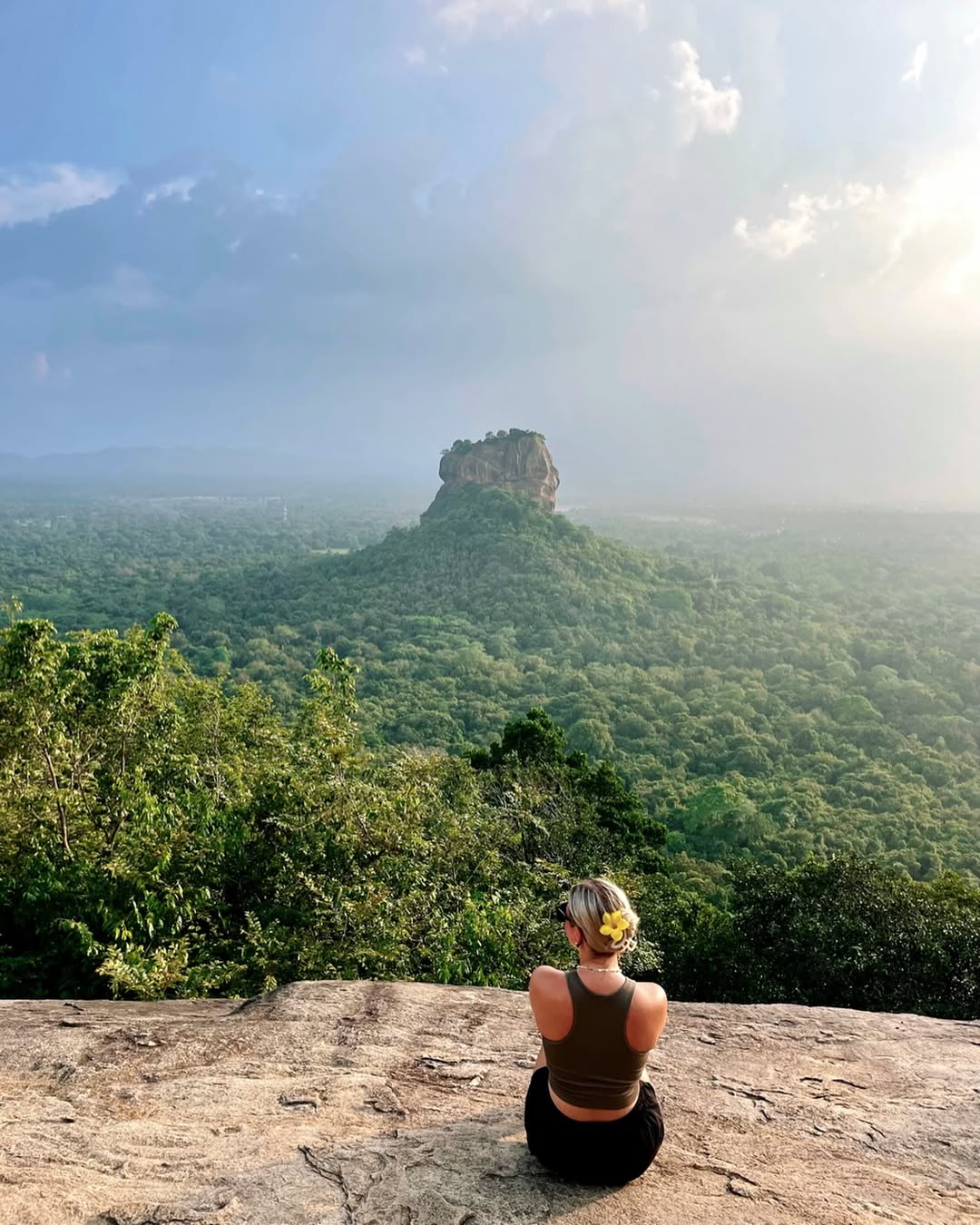
Rising 200 meters from the central plains of Sri Lanka, the monolithic column of Sigiriya (Lion Rock) is more than just a geological wonder it is a masterpiece of ancient urban planning and a testament to a king’s audacious vision. Often hailed as the “Eighth Wonder of the World,” this UNESCO World Heritage Site tells a 1,500-year-old story of patricide, exile, and architectural brilliance.
The Legend of the Lion Rock
The history of Sigiriya is as dramatic as its vertical cliffs. In the 5th century AD, King Kassapa seized the throne by murdering his father, King Dhatusena. Fearing a retaliatory strike from his brother Moggallana, the rightful heir, Kassapa moved the capital from Anuradhapura to the impenetrable summit of Sigiriya.
He didn’t just build a fortress; he created a “pleasure palace” in the sky, complete with lush gardens and intricate frescoes. After Kassapa’s eventual defeat, the site returned to its roots as a Buddhist monastery before being reclaimed by the jungle for centuries.
Architectural Highlights You Can’t Miss
1. The Royal Water Gardens
At the base of the rock lies one of the oldest landscaped gardens in the world. Using advanced hydraulic engineering, ancient architects designed a system of canals, fountains, and gravity-fed pools that still function during the rainy season today.
2. The Mirror Wall and Ancient Graffiti
Halfway up the climb, you’ll find the Mirror Wall. Once polished so finely that the King could see his reflection, it is now famous for its “graffiti.” Visitors from the 7th to 13th centuries scratched poems and impressions into the plaster, providing a rare window into the thoughts of medieval travelers.
3. The Sigiriya Frescoes
Tucked into a sheltered gallery are the world-renowned “Sigiriya Damsels.” These vibrant paintings of celestial maidens (apsaras) have retained their color for over a millennium.
Note: Photography of the frescoes is strictly prohibited to preserve the delicate pigments.
4. The Lion’s Paw Terrace
The final ascent begins between two massive stone lion paws—the only remains of a colossal lion statue that once guarded the entrance. This “Lion Gate” gave the rock its name (Sinha-giri).